
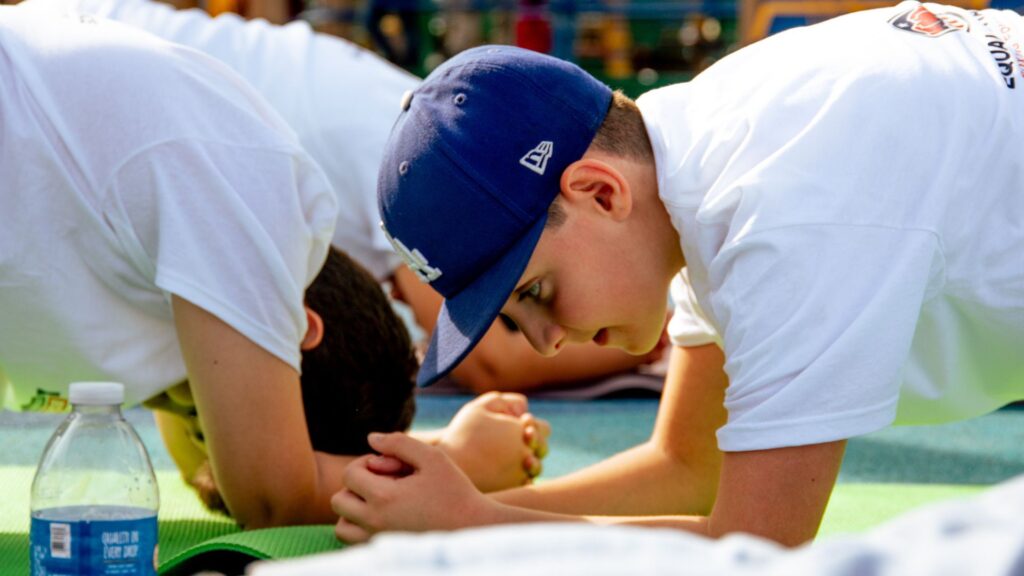
Let’s be completely honest. Being a teenager today is exhausting. Your mind is constantly racing, your phone is constantly buzzing with notifications, and there is an invisible but crushing pressure to figure out your future, fit in socially, and perform perfectly.
If you are a young adult reading this, you know that heavy, tight feeling in your chest. When the stress of school, social media, and peer pressure piles up, your emotions can feel like a rollercoaster that you cannot control. Sometimes you feel angry for no reason; other times, you just want to shut down, lock your door, and stare at a screen to numb the noise.
If you are a parent or mentor reading this, you see the fallout. You watch a brilliant, capable young person become irritable, withdrawn, or overwhelmed by the smallest setbacks. You want to help, but telling a stressed teenager to “just calm down” or “talk about their feelings” rarely works. In fact, it often makes them retreat further.
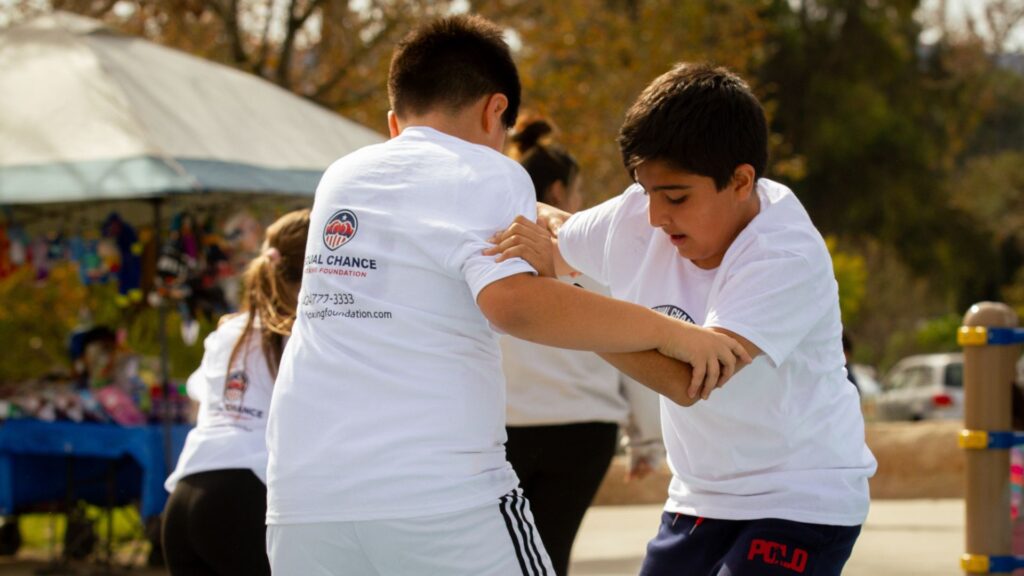
We are dealing with a generation whose nervous systems are overloaded. To fix this, we cannot rely solely on conversation. We have to change the chemistry of their bodies.
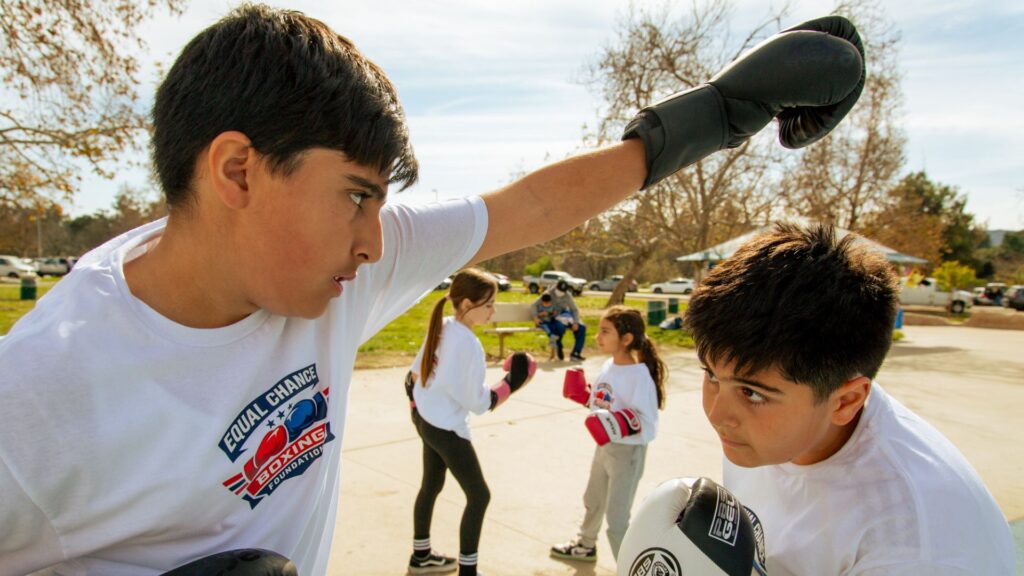
When people ask, “How physical challenge builds emotional stability in adolescents,” they often think about general fitness. But at the Equal Chance Boxing Foundation, we know that high-intensity, structured combat sports do much more than build muscle. Boxing rewires the brain. It takes the chaos of teenage anxiety and gives it a physical outlet, transforming nervous energy into unshakeable resilience.
In this deep-dive pillar guide, we are speaking directly to both sides of the equation: the youth looking for a way to take control of their mind, and the adults looking for a real-world solution to support them. We will explore the biology of teenage stress, how the intense discipline of boxing acts as an emotional anchor, and how our Head Coach, professional boxer , uses the “Sweet Science” to help a generation build an iron mind.
[ecbf_donate_banner_1]
The Biology of Teenage Chaos: Why Everything Feels So Intense
To understand why a tough physical workout is the best medicine for a chaotic mind, you first have to understand what is happening inside the adolescent brain. The emotional instability of teenage years is not a character flaw; it is a biological reality compounded by modern life.
The Cortisol Overload
When a teenager experiences stress—whether it is an argument with a friend, a difficult exam, or the anxiety of social media comparison—their brain releases a hormone called cortisol. This is the “fight or flight” chemical.
Thousands of years ago, cortisol was designed to give humans the energy to physically fight a predator or run away. Once the physical action was complete, the cortisol dissipated. Today, however, the “predators” are psychological. A teenager gets stressed, their body floods with cortisol, but they just sit at their desk or lie in bed. There is no physical release. Because the chemical remains trapped in the system, it manifests as chronic anxiety, irritability, and emotional outbursts.

The Digital Trap of Passive Coping
When youth feel this chemical overload, their instinct is often to engage in “passive coping.” They scroll through endless short-form videos or play video games for hours.
While this feels like resting, it actually keeps the brain highly stimulated without allowing the body to process the trapped stress hormones. It is like revving a car engine while the parking brake is on. The engine just gets hotter. To actually achieve emotional stability, a young person must switch from passive coping to active physical processing.
The Antidote: Rewiring the Brain Through Physical Challenge
You cannot negotiate with a nervous system that is trapped in “fight or flight” mode. You have to physically burn the stress off. This is where the extreme, structured challenge of a boxing gym becomes a psychological lifesaver.
The Physical Flush of Anxiety
When you wrap your hands and begin a grueling cardiovascular boxing circuit, your body finally gets to do what it has been screaming to do: fight.
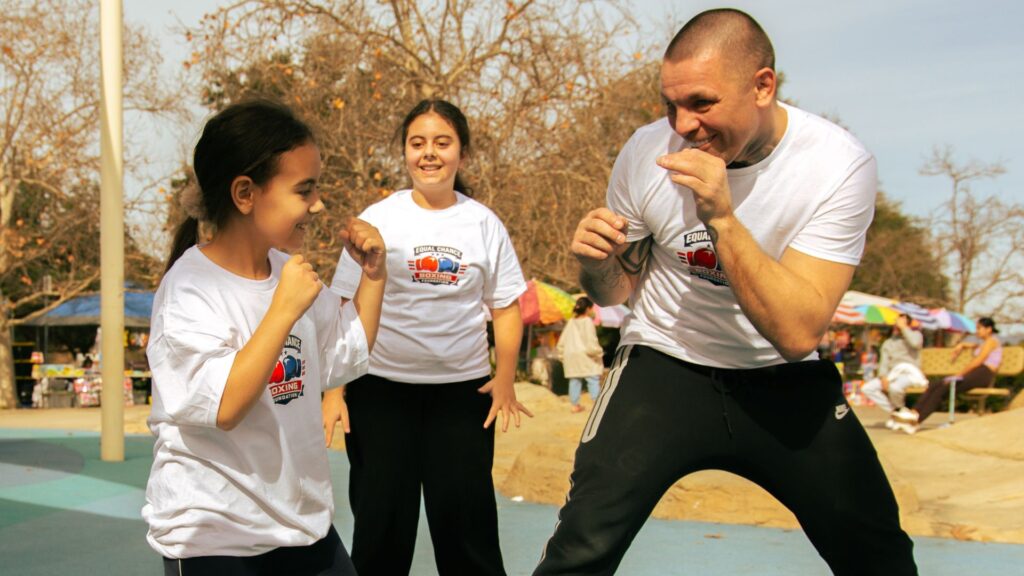
As you hit the heavy bag, perform high-intensity footwork drills, and push your lungs to their absolute limit, your body rapidly metabolizes and burns off the built-up cortisol. By the end of an hour-long session, the chemical drivers of anxiety are literally drained from the muscles. This leaves the body in a state of profound, deep biological calm.
The Endorphin Anchor
As the stress hormones drop, the intense physical exertion triggers the brain to release a flood of endorphins and dopamine. This is the biological foundation of emotional stability.
When a young adult realizes that they can actively change their own mood—that they can walk into a gym feeling angry or anxious and walk out feeling calm and clear-headed—they gain an incredible sense of control over their life. They stop being a victim to their emotional swings.
The Contrast: Passive vs. Active Recovery
To clearly understand how a physical challenge like boxing shifts the baseline of adolescent mental health, consider the stark differences in how the body processes stress compared to standard passive habits.
| Feature | Passive “Resting” (Screen Time, Scrolling) | Active Physical Challenge (Boxing / Training) |
| Hormonal Response | Keeps brain stimulated; cortisol remains trapped. | Burns off cortisol; triggers massive endorphin release. |
| Focus & Presence | Fragments attention across multiple digital stimuli. | Demands 100% singular focus (Mindfulness in motion). |
| Confidence Building | Fosters comparison and insecurity (Spotlight effect). | Builds internal pride through overcoming physical limits. |
| Sleep Quality | Disrupts circadian rhythm via blue light exposure. | Induces deep, restorative, biological fatigue. |
| Emotional Outlet | Suppresses emotions, leading to later outbursts. | Provides a safe, structured, physical release for anger and frustration. |
Visualizing the Transformation: The Emotional Stability Graph
The journey from chronic stress to emotional stability doesn’t happen overnight. It is a progressive adaptation of the nervous system. To illustrate exactly how consistent physical challenge (like a 12-week boxing camp) lowers baseline stress and increases emotional resilience, explore the interactive data model below.
The Boxing Ring as an Emotional Sandbox
Boxing is entirely unique among sports because of its intensity. It is not just about physical exertion; it is a masterclass in emotional regulation under pressure.
Managing the Adrenaline Spike
When a teenager faces a stressful situation in real life—like a confrontation in the hallway or a difficult test—their adrenaline spikes, and they often panic or shut down.
In boxing, adrenaline spikes are engineered. When a coach puts on the focus mitts and calls out rapid-fire combinations, the athlete’s heart races and the pressure mounts. But in the gym, they are taught how to handle it. They are taught to keep their eyes open, exhale sharply with every punch, and maintain their technique.
They are literally practicing how to stay calm while their body is screaming at them to panic. This directly builds emotional stability. When that teenager faces real-world stress later, their brain remembers: “I have felt this adrenaline before, and I know how to breathe through it.”
Learning to Take a Hit (Literally and Figuratively)
Life is going to hit you. You will fail exams, face rejection, and make mistakes. If a youth has never been challenged, the first “hit” they take in the real world can destroy their confidence.
Boxing provides a safe environment to learn that getting hit is not the end of the world. When you make a mistake in footwork or drop your guard, you face immediate physical feedback. You learn to absorb the shock, reset your stance, and keep moving forward. This physical resilience directly translates to emotional resilience. A young person who knows they can survive a grueling 3-minute round on the heavy bag stops being terrified of the minor setbacks in their daily life.

The Standard: Building Unbreakable Anchors
A heavy bag alone cannot teach emotional stability. Youth need to be guided by mentors who have mastered their own minds under the most extreme conditions possible.
At the Equal Chance Boxing Foundation, our approach to building mental toughness is anchored by our founder and Head Coach, professional boxer .
Calm in the Center of the Storm
As a professional fighter, knows what it means to perform under crushing pressure. From the tough, uncompromising sports schools of his youth in Ukraine to the massive arenas of the United States, has experienced the highest highs and the most difficult challenges of the sport.
He knows that raw emotion—anger, fear, or frustration—is a terrible master but an excellent fuel. When a teenager walks into our gym buzzing with teenage angst or anxiety, does not try to talk them out of it. He redirects it. He channels that chaotic emotional energy directly into the structure of the “Sweet Science.” He teaches youth that true strength is not about acting tough; it is about having a mind so disciplined that external chaos cannot move you.
[ecbf_donate_banner_4]
Earning the Right to Speak
acts as one of the most effective positive role models for youth because he builds respect through shared physical challenge.
If you want a teenager to open up about their emotional struggles, you cannot force them into a chair and demand answers. knows this. He puts them to work first. By leading them through an exhausting, challenging workout, he helps them burn off their defensive armor. It is in the quiet moments after the workout—while untaping their hands or catching their breath—that the youth naturally begin to talk. Because has sweat alongside them and held them to a high standard of physical excellence, he earns their trust. When he offers advice on handling life’s pressures, they listen.
Step Up: Free Access to Unshakeable Stability
If you are a young adult reading this, and you are tired of feeling like your emotions are controlling you—tired of the anxiety, the anger, or the urge to shut down—it is time to change the game. You don’t have to carry that heavy energy inside you. You can step into the gym, wrap your hands, and physically fight your way to a clear mind.
If you are a parent or community member watching a youth struggle to find their footing in a chaotic world, they need an environment that will challenge them safely.
We know that elite athletic training and professional mentorship often come with high price tags, creating a barrier for underprivileged youth. The Equal Chance Boxing Foundation believes that emotional stability and mental health should not be a luxury. We operate a world-class, 100% free sanctuary designed to build iron minds.
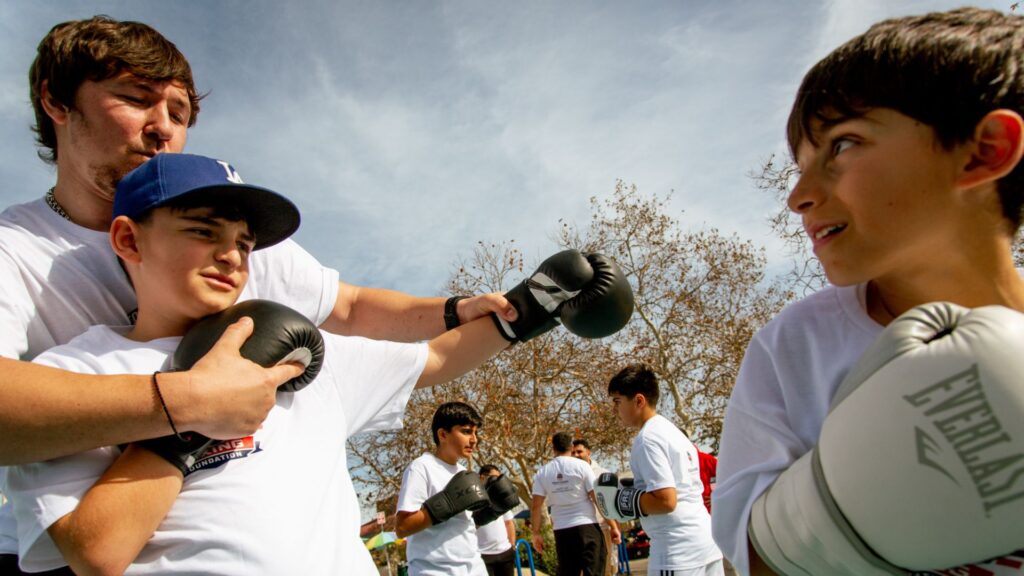
The Youth Boxing Program
We remove all financial friction so the only thing you have to battle is your own self-doubt.
- Absolutely Free: No registration fees, no monthly dues, and no hidden costs.
- Elite Protective Gear Provided: We supply all high-quality, professional-grade safety equipment entirely free of charge, ensuring every athlete trains with the best tools available.If you are ready to take control of your mind by challenging your body, the ring is waiting.👉 START YOUR JOURNEY: ENROLL IN OUR FREE YOUTH BOXING PROGRAM TODAY
Breaking Logistical Boundaries: Community Training
We understand that sometimes getting to the gym is the biggest hurdle. To combat this, our mobile outreach programs bring the physical and emotional sanctuary directly to you. We transport our elite coaching staff, safety gear, and structured discipline into underserved neighborhoods, local parks, and schools. We bring the challenge to your doorstep.
DISCOVER OUR MOBILE COMMUNITY TRAINING INITIATIVE
Stand in Their Corner: Support the Mission
Maintaining a massive daily operation that provides a state-of-the-art facility, elite equipment, and thousands of hours of life-changing mentorship to youth—all entirely for free—is an immense undertaking.
We can only provide these critical youth sports mentorship programs through the profound generosity, vision, and dedication of our donors and corporate partners.
When you look at the rising rates of teenage anxiety and emotional instability, it is easy to feel helpless. But when you support the Equal Chance Boxing Foundation, you are actively funding the solution. You are paying for the physical space, the heavy bags, and the expert coaching that allow a teenager to safely process their stress and build a stable, resilient mind.
For Individual Donors
Be the quiet strength in a young athlete’s corner. Every dollar you contribute directly funds the facility that keeps them safe and the programs that build their resilience. You ensure that when a teenager decides they need an outlet for their chaos, our doors are wide open.
EMPOWER THE NEXT GENERATION: DONATE TO THE FOUNDATION TODAY
For Corporate Sponsors
Local businesses have a unique and powerful opportunity to shape the mental health and stability of their communities. By partnering with ECBF, your brand aligns itself directly with the core values of mental health advocacy, physical grit, and profound youth development. Invest in the future workforce by helping us build a generation capable of handling immense pressure with grace.
LEAD BY EXAMPLE: BECOME A CORPORATE SPONSOR
Burn the Stress. Build the Anchor.
How does physical challenge build emotional stability in adolescents? By proving to them that their bodies and minds are capable of surviving extreme discomfort.
The modern world will continually try to overload your nervous system. Exams, social dynamics, and the endless noise of the digital world are not going to stop. But when you dedicate yourself to a grueling physical discipline like boxing, you build an internal anchor.
You learn that you do not have to be a victim to your adrenaline. You learn that anger and anxiety can be burned away through hard work. You learn that after you have pushed yourself to the absolute limit on the heavy bag, the rest of the world suddenly feels very quiet and manageable.
Whether you are a young person looking to forge an unshakeable sense of self, or an adult looking to support the mental fortitude of the next generation, it is time to take action.
At the Equal Chance Boxing Foundation, and our entire coaching staff are ready to help you trade your stress for true emotional power. It is time to disconnect from the screen, step onto the mat, and let the physical challenge forge your mind.
Questions?
We’ve got answers.
Physical exhaustion in the ring strips away superficial anxieties. At the Equal Chance Boxing Foundation, youth learn that when their body is pushed to its limits, they don’t have the energy to panic about minor daily stressors. Surviving intense physical challenges teaches the brain to stay calm under pressure, forging an “iron mind” that doesn’t crack when faced with emotional turbulence outside the gym.
In boxing, taking a hit is inevitable. It shocks the system, but the true lesson is in the recovery. When a teen gets hit and realizes they are still standing, the fear of the unknown diminishes. They learn to separate the physical sensation from emotional panic. This translates to real life: when they face emotional “hits” like bullying, academic failure, or personal loss, they have the practiced stability to absorb the blow and keep moving forward.
Anxiety thrives in chaos and excess energy. The heavy bag is the ultimate outlet for adolescent frustration, anger, and confusion. By channeling volatile emotions into focused physical exertion under the guidance of mentors like , teens burn off the chemical drivers of stress (like cortisol) and replace them with endorphins. This creates a grounded, stabilized emotional baseline.
An iron mind is built through proven competence. When a teen spends weeks failing to master a complex combination, only to finally execute it perfectly, they hardwire their brain for resilience. They physically prove to themselves that they can overcome frustration. This emotional stability comes from the deep, unshakable knowledge that they are capable of doing hard things, no matter how impossible they seem at first.