
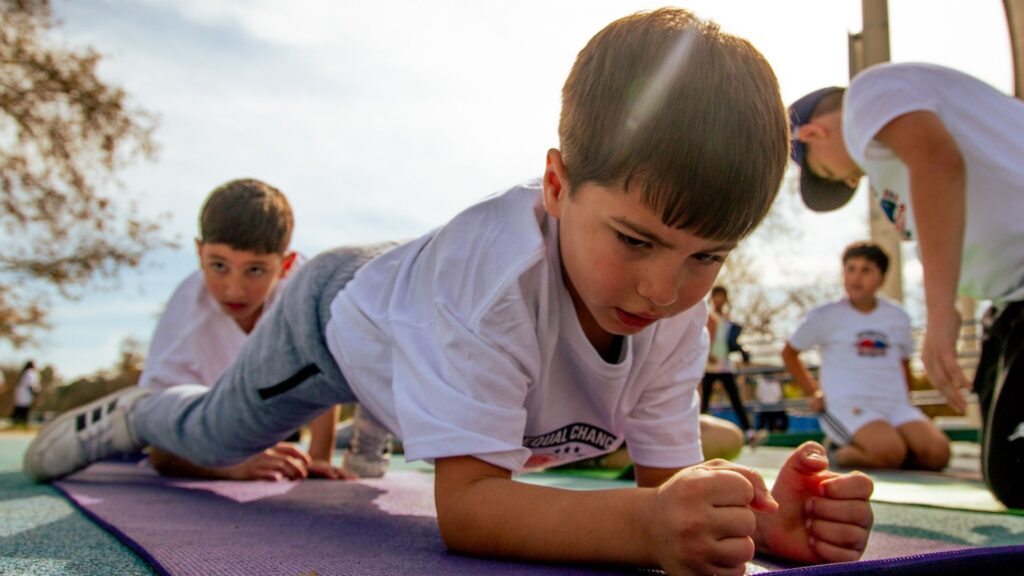
As a parent, you have likely experienced the exhausting, repetitive cycle of the “sit-down talk.” Your child acts out, loses their temper, or completely shuts down, and you respond with the tools you have been told to use. You sit them down at the kitchen table, ask them to explain their feelings, demand that they use their words, and extract a promise that they will “do better next time.”
For a few days, things might seem peaceful. But inevitably, the pressure builds up again, the exact same behavioral issues resurface, and you find yourself back at the table, completely drained, having the exact same conversation. You are desperately searching for effective interventions for troubled youth, wondering why logic, empathy, and endless dialogue are simply not working.
The truth is, you are not doing anything wrong, and your child is not broken. The fundamental disconnect is that we are trying to solve a physiological problem with a verbal solution. When a teenager is overwhelmed by anxiety, anger, or the sheer, chaotic energy of adolescence, their nervous system is heavily dysregulated. In these moments of high stress, the language centers of their brain effectively shut down. They do not need another lecture. They do not need to sit still and analyze their emotions. They need to move. They need a highly structured, physically demanding environment to process their internal chaos before they can ever begin to articulate it.
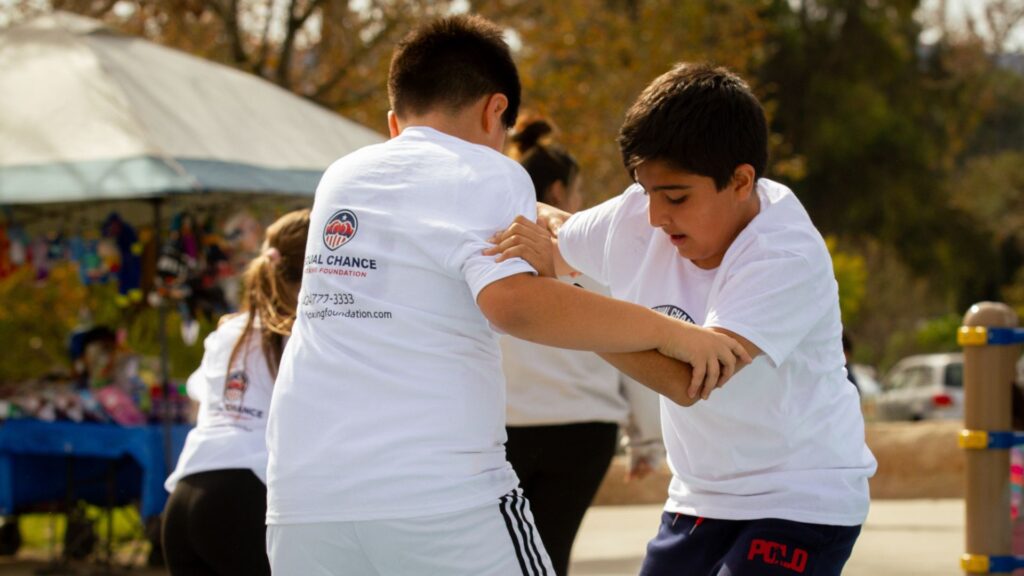
At the Equal Chance Boxing Foundation, we specialize in reaching the kids who have stopped listening. We know that for many youth—especially those struggling with focus, defiance, or trauma—words are simply not enough.
In this comprehensive pillar guide, we will explore exactly why some kids need physical structure, not more talking. We will dive deep into the neuroscience of physical exertion, explain why traditional verbal discipline often fails at-risk youth, and highlight how our founder, professional boxer , utilizes the intense, silent discipline of the boxing ring to forge unshakeable resilience and behavioral transformation.
The Limits of Verbal Discipline for a Dysregulated Mind
To understand why physical structure is such a necessary intervention, we must first look at what happens inside the brain of a teenager who is struggling with behavioral issues, severe ADHD, or emotional volatility.
[ecbf_donate_banner_1]
The “Fight or Flight” Trap
When a child feels cornered, misunderstood, or overwhelmed by their environment, their brain’s amygdala (the emotional processing center) takes over. They are flooded with cortisol (the stress hormone) and adrenaline. This is the classic “fight or flight” response.
When parents or educators respond to this state by forcing a child to sit down, make eye contact, and “talk it out,” it often backfires spectacularly.
- Increased Anxiety: Forcing a child to sit still when their body is screaming to move only increases their internal panic.
- Defiance as a Defense: Because they cannot physically escape the lecture, teenagers will often use defiance, sarcasm, or total silence as a secondary defense mechanism.
- The “Word Salad”: Even if they do talk, they will often say whatever they think the adult wants to hear just to escape the uncomfortable conversation, leading to empty promises and zero behavioral change.
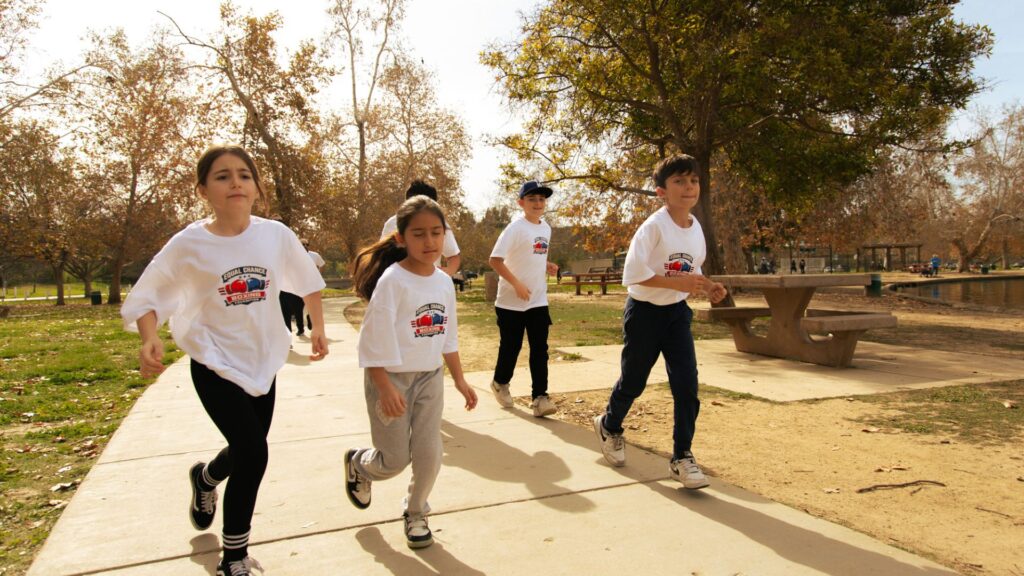
Why “Use Your Words” Fails Highly Energetic Kids
From a very young age, we tell children to “use your words” instead of acting out physically. While this is a necessary developmental milestone, it fails to account for the fact that some emotions are simply too massive, too abstract, and too heavy for a teenager’s limited vocabulary.
A 14-year-old boy experiencing the intense hormonal shifts of puberty, combined with academic pressure and social anxiety, rarely possesses the emotional intelligence to say, “Mother, I am feeling a profound sense of inadequacy today, which is manifesting as irritability.” Instead, he slams doors. He picks fights. He refuses to do his homework. His body is trying to process a heavy emotional load, and talking about it feels like trying to empty an ocean with a teaspoon. He needs a physical release valve.
How Physical Structure Rewires the Brain
When we talk about “physical structure,” we are not talking about unstructured recess, sending a kid outside to run around, or even traditional team sports where a child can easily zone out on the bench. We are talking about highly regulated, demanding, and technique-focused movement.
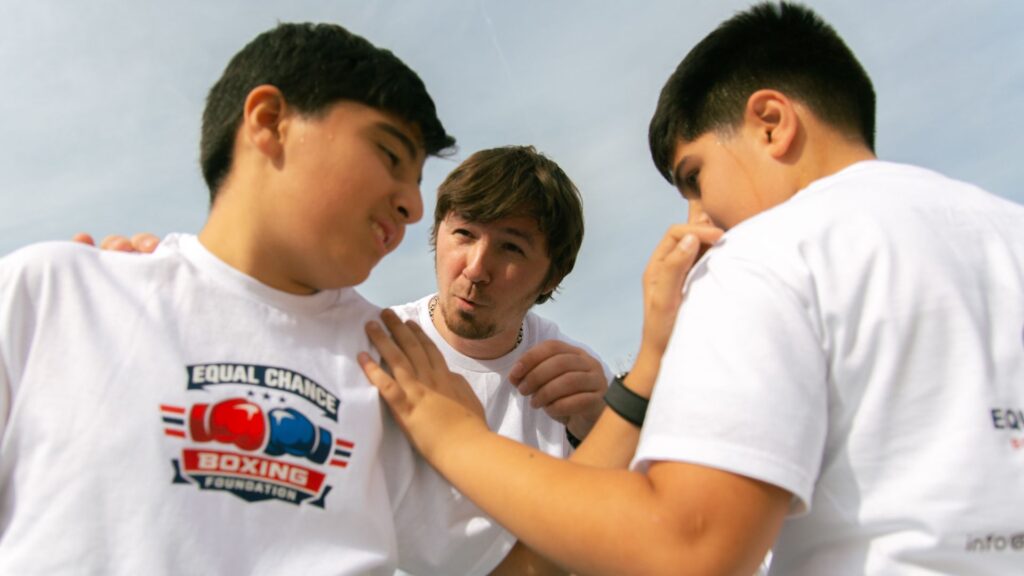
This is exactly why safe boxing training for kids is uniquely suited to rewire a dysregulated brain. Here is the science behind the sweat:
The Neurological Reset of Heavy Exertion
Boxing demands explosive, sustained cardiovascular effort. When a frustrated teenager puts on 16oz gloves and attacks a heavy bag for three-minute rounds, profound chemical changes occur in their brain. The intense physical exertion rapidly metabolizes and burns off the excess cortisol and adrenaline that was causing their anxiety or anger. In its place, the brain releases a massive flood of endorphins and dopamine. By the time they take their gloves off, they are physically exhausted, but chemically balanced. They have processed their anger without ever having to speak a word about it.
Proprioceptive Feedback and Grounding
Many kids who struggle with focus and emotional regulation have sensory processing difficulties; they feel disconnected from their own bodies. Boxing provides intense proprioceptive feedback—the brain’s understanding of where the body is in space. Every time a child’s glove makes contact with the focus mitts, or every time they pivot their foot on the canvas, their nervous system receives heavy, grounding input. This physical grounding is incredibly soothing to an anxious mind, pulling them out of their racing thoughts and anchoring them firmly in the present moment.
Forging Focus Through Complex Movement
For children with severe ADHD or concentration issues, sitting at a desk is agonizing. Their brains are starved for stimulation. Technique-focused boxing acts as the ultimate form of moving meditation. To execute a complex combination—such as a slip, roll, and double-jab—a child must dedicate 100% of their cognitive bandwidth to the physical task. They must coordinate their breathing, their balance, and their hand-eye timing simultaneously. They learn how it actually feels to be completely, deeply focused. This physical hyper-focus eventually translates into their academic and personal lives.
The Boxing Gym as a Therapeutic Environment
Traditional therapy absolutely has its place, but for many defiant or hyperactive teenagers, the idea of sitting on a couch and talking to a stranger is intimidating and completely ineffective. The boxing gym acts as a stealthy, highly effective alternative therapy. It is an environment built entirely around action, consequence, and silent growth.
Immediate, Unbiased Accountability
Defiant children are often master negotiators. They know how to argue with their parents, manipulate teachers, and talk their way out of consequences. The beauty of the boxing gym is that physical reality does not negotiate. The heavy bag does not care about your excuses. The jump rope does not care if you had a bad day at school. If you drop your hands, you lose your balance. If you don’t do the roadwork, you will run out of breath in the ring. This environment strips away a child’s ability to make excuses, teaching them profound, immediate personal accountability without a single lecture ever being delivered.
Building Intrinsic, Unshakeable Self-Esteem
When confidence is handed to a child without effort, it is fragile. When self-esteem is earned through grueling, physical hardship, it becomes unshakeable. When a quiet, insecure teen finally masters a difficult defensive drill after weeks of failing, adjusting, and sweating, they build a catalog of undeniable proof that they are capable of doing hard things. This is the core of how boxing builds confidence in children and teenagers. They begin to view themselves as resilient warriors rather than fragile victims.
A Safe Haven from Negative Peer Pressure
For many at-risk youth, behavioral problems stem directly from the toxic environments they navigate outside the home. The boxing gym acts as an impenetrable sanctuary. Inside our walls, street reputation, wealth, and social media status mean absolutely nothing. The only currency that matters is sweat, respect for the coach, and dedication to the craft.
Authentic Mentorship: The Method
Physical exertion alone is powerful, but true behavioral transformation requires a guide. A teenager who refuses to listen to traditional authority figures needs a mentor who commands absolute respect through action, not just words.
At the Equal Chance Boxing Foundation, our training culture, safety protocols, and mentorship philosophies are entirely driven by our founder and Head Coach, professional boxer .
A Battle-Tested Blueprint for Resilience
’s philosophy of “action over words” is deeply rooted in his own cinematic life story. Growing up in the grueling, highly disciplined sports boarding schools of Shostka, Ukraine, learned early on that nobody cares about your excuses; they only care about your work ethic.
When he immigrated to the United States to pursue his professional boxing career, he faced massive, overwhelming obstacles. He battled severe language barriers, intense financial instability, predatory sports management, and the brutal physical realities of professional combat. He did not overcome these odds by sitting around and talking about his feelings. He overcame them through silent, relentless, structured physical discipline.
Leading by Example, Not by Lectures
is uniquely positioned to reach the kids who have built massive defensive walls. Because of his authentic, battle-tested life experience, he is one of the most effective positive role models for at-risk youth.
When an angry, defiant teenager walks into our gym, does not sit them down for a lecture. He does not yell to assert dominance. He simply puts them to work. He engages them through the difficulty of the technique. He commands their respect because he sweats alongside them, demonstrating the exact emotional control and relentless work ethic he demands from his athletes. He speaks to them in the language of shared physical hardship, which is a language that every frustrated teenager instantly understands.
Earning Trust Through Shared Sweat
Kids with behavioral problems have highly tuned radar for hypocrisy. They will not respect an adult who tells them to work hard but does not work hard themselves. Under ‘s guidance, troubled youth naturally drop their defensive attitudes. They realize that the coach is not there to judge their past mistakes; he is there to build their future strength. This silent, earned trust is the foundation of true, lasting behavioral change.
[ecbf_donate_banner_4]
Removing Financial Barriers to Essential Structure
When exhausted parents finally realize that their child needs the intense physical structure and authentic mentorship of a boxing gym, they are almost immediately hit with a secondary crisis: the staggering cost of youth sports.
Elite athletic facilities with professional coaching, strict safety protocols, and high-quality protective equipment are notoriously expensive. High monthly tuition, mandatory gear packages, and hidden fees effectively lock the most vulnerable underprivileged youth out of the exact environments that could save their lives and restore peace to their families.
The Equal Chance Boxing Foundation firmly believes that access to life-saving physical structure and elite mentorship should never be a luxury reserved for the wealthy. ### 5.1. Elite Training at Absolute Zero Cost We are incredibly proud to operate a completely 100% free sports program for kids in the USA.
- Zero Financial Burden: We never charge parents registration fees, monthly dues, or cancellation costs. Your family’s financial situation will never dictate your child’s access to our mentorship.
- Professional Safety Gear Provided: To maintain our strict “brain-first” safety methodology, we supply all the necessary professional-grade safety equipment—from custom hand wraps to 16oz shock-absorbing gloves and elite headgear—ensuring no child trains in substandard or dangerous gear.
If you are tired of the endless, ineffective lectures and want to give your child the structured physical outlet they desperately need, it is time to take action. ENROLL YOUR TEEN IN OUR YOUTH BOXING PROGRAM TODAY
Meeting Kids Where They Are
We also deeply understand that transportation is a massive hurdle for many hardworking families. A free gym is useless if a child cannot get there. To ensure that our physical structure reaches the youth who need it most, our mobile outreach initiatives bring professional boxing rings, elite safety gear, and our certified coaching staff directly to underserved neighborhoods, local parks, and community centers. LEARN MORE ABOUT OUR MOBILE COMMUNITY TRAINING

Stand in Their Corner: How You Can Make a Difference
Providing a state-of-the-art facility, elite protective equipment, and the unbroken, daily attention of a world-class mentor like to hundreds of at-risk teenagers is a monumental, daily financial undertaking.
We are only able to provide these life-saving interventions for free through the radical generosity, vision, and compassion of our donors and community partners.
When you read the statistics regarding youth incarceration, high school dropout rates, and the adolescent mental health crisis, it is easy to feel completely helpless. But you are not helpless. When you support the Equal Chance Boxing Foundation, you are actively funding the exact, highly supervised physical environment that keeps kids off the streets, out of danger, and focused on their ultimate potential.
The Power of Donor Support
Your vital financial contribution directly ensures that our doors stay open, our mobile outreach vans keep running, and our coaches can continue to dedicate the intense, one-on-one time required to break through a defiant teenager’s defensive walls. Be the hero in a struggling family’s corner. DONATE TO THE EQUAL CHANCE BOXING FOUNDATION
Building Stronger Communities Together
For businesses and local leaders looking to make a massive, systemic impact on the next generation, we offer comprehensive partnership opportunities. Align your brand with resilience, discipline, and community empowerment. BECOME A CORPORATE SPONSOR
Empowering Youth Through Action
Why do some kids need physical structure instead of more talking? Because you cannot talk a flooded nervous system out of its anxiety, and you cannot lecture a chaotic mind into focus.
These children need an environment that meets their intensity with structure. They need a place where their boundless, destructive energy can be channeled through a rigorous, highly intellectual physical filter. Boxing teaches them that true power does not come from screaming, rebelling, or lashing out at the world. True power comes from absolute physical control, quiet endurance, and profound emotional restraint.
At the Equal Chance Boxing Foundation, and our dedicated coaching staff are committed to providing the safest, most structurally sound athletic environment in the country. It is time to step away from the kitchen table, end the cycle of exhausting lectures, and start witnessing the incredible, silent transformation of your child through the power of the sweet science.
Questions?
We’ve got answers.
“The Sweet Science” is the art of hitting and not getting hit. For kids, we emphasize the “not getting hit” part first. Technique-focused training teaches youth how to use angles, head movement, and footwork to stay out of harm’s way. By prioritizing speed and precision over raw power, we ensure that a child’s training is about outsmarting an opponent, which is a safer and more sustainable way to learn the sport.
The majority of a youth’s time in the Equal Chance Boxing Foundation is spent on “mitt work” with a coach. This is 100% controlled. The coach provides the targets and controls the intensity, meaning there is zero impact on the child’s head or torso. This high-repetition, low-risk environment allows kids to develop elite reflexes and cardiovascular health without the collisions common in sports like football or basketball.
Yes. Technical boxing is essentially “high-speed chess.” A student must constantly analyze their opponent’s distance, balance, and timing. This level of mental engagement sharpens executive functions like focus and rapid decision-making. By focusing on the *strategy* of boxing, we are exercising the brain just as much as the body, fostering a level of mental alertness that carries over into academic success.
A student who learns proper defensive technique—slipping punches, parrying, and blocking—is fundamentally safer than a student who relies on “toughness.” Under the mentorship of , youth learn that their best weapon is their brain. This defense-first approach builds a foundation of physical literacy that prevents injuries not just in boxing, but in any physical activity, by teaching them how to maintain balance and awareness in high-pressure situations.