
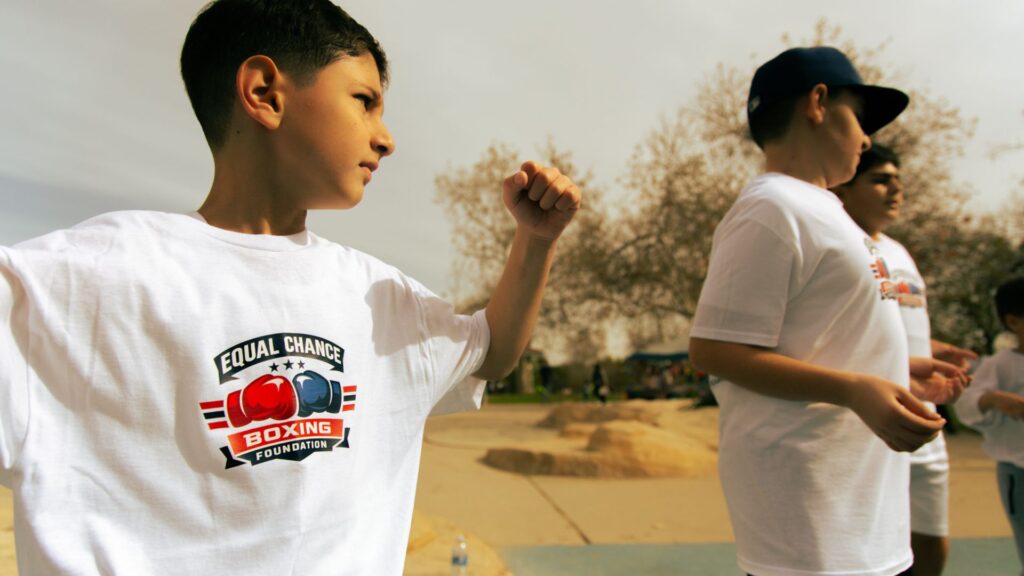
Anger is arguably the most misunderstood and heavily stigmatized emotion in human experience, especially when it manifests in young people. When a teenager expresses intense anger, society’s immediate reaction is almost always to suppress it. We tell them to lower their voice, to take a time-out, to sit still, and to “just calm down.” We treat adolescent rage as a character flaw, a behavioral problem that needs to be disciplined out of them, or a psychological issue that needs to be quietly managed. But at the Equal Chance Boxing Foundation, we look at a frustrated, angry teenager and we do not see a problem. We see an abundance of raw, unrefined energy. We see a fuel source that, when properly channeled, can build an extraordinary athlete and a highly disciplined human being.
In this comprehensive guide, we are going to completely reframe the conversation around youth anger management. We will explore the intense physiological reality of rage, why traditional “calm down” methods often fail our youth, and how the sweet science of boxing provides the ultimate, biologically appropriate outlet for explosive emotions. By understanding how to convert destructive rage into constructive athletic fuel, we can help our young people build deep emotional resilience, unshakeable discipline, and a profound sense of inner peace.
The Stigma of Youth Anger in Modern Society
To understand why so many young people are struggling with anger today, we must first look at the environment in which they are growing up. Adolescence has always been a turbulent time, marked by shifting hormones and the difficult transition from childhood to adulthood. However, the modern teenager is navigating a unique pressure cooker. They are dealing with the relentless, comparative nature of social media, intense academic expectations, and, for many in the communities we serve, the heavy burdens of financial instability, broken homes, or systemic inequalities.
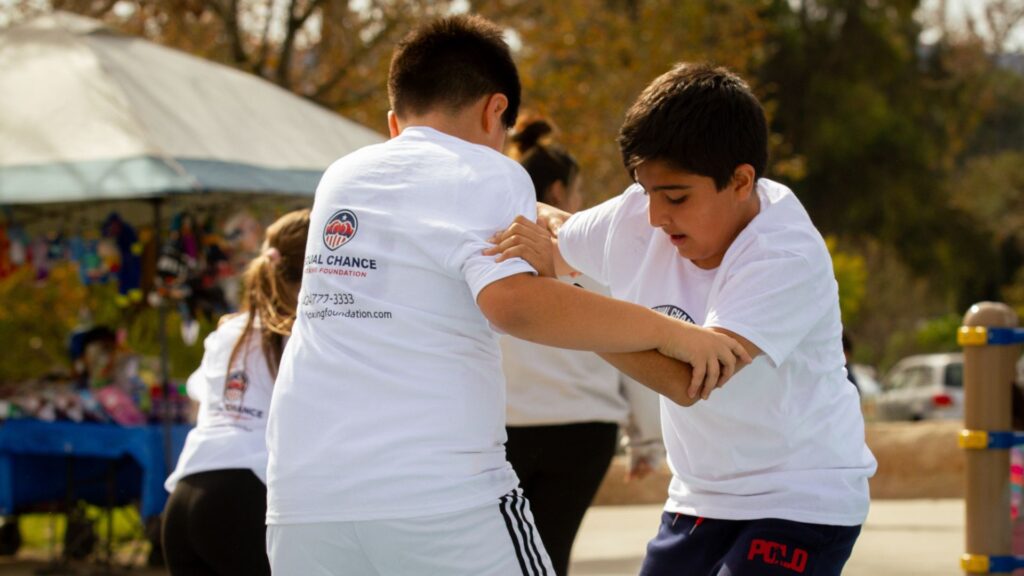
When a young person feels powerless in the face of these immense pressures, that feeling of helplessness frequently mutates into anger. Anger is a secondary emotion; it is the armor that protects a vulnerable core of fear, sadness, or overwhelming frustration. When a teenager acts out, gets into a fight at school, or punches a wall, they are not doing it because they are inherently bad. They are doing it because they possess a massive amount of emotional energy and absolutely no safe, constructive blueprint for how to release it.
The Flawed “Calm Down” Approach
The traditional approach to dealing with an angry youth usually involves punishment or forced passivity. If a student is visibly enraged, they are sent to the principal’s office and told to sit quietly in a chair. This approach entirely ignores the biological reality of what is happening inside their body.
When a person experiences intense anger, their brain triggers the fight-or-flight response. The amygdala signals the adrenal glands to flood the bloodstream with adrenaline and cortisol. The heart rate skyrockets, blood pressure increases, and oxygen is rapidly pumped to the major muscle groups. The body is literally preparing for intense, explosive physical survival. Therefore, telling a teenager whose veins are pumping with adrenaline to “just sit still and breathe” is like telling a revving car engine to simply stop working without turning off the ignition. The body demands physical movement. When that movement is denied, the anger turns inward, leading to deep resentment, anxiety, and a highly destructive cycle of suppressed rage.
[ecbf_donate_banner_1]
The Physiology of Rage and the Need for Physical Release
This is precisely where the sport of boxing intervenes as a physiological lifesaver. Boxing does not ask the body to ignore its biological imperatives; it provides a highly structured, intensely physical receptacle for them. When a teenager walks into the Equal Chance Boxing Foundation with their fists clenched and their jaw set, we do not ask them to sit down and talk about their feelings right away. We tell them to wrap their hands and step up to the heavy bag.
The heavy bag is the ultimate, non-judgmental therapist for an angry mind. It does not argue back, it does not interrupt, and it can absorb an incredible amount of force. When a teenager throws that first, explosive punch into the heavy leather, the biological feedback loop is instantly satisfied. The body is allowed to do exactly what the adrenaline is demanding: it exerts force against physical resistance.
Structuring the Chaos
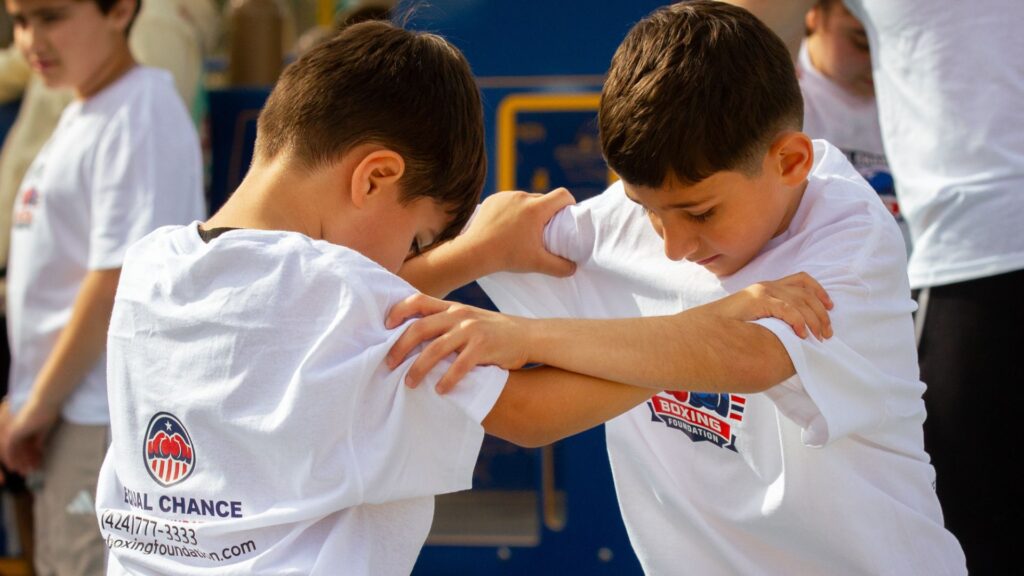
However, simply flailing at a heavy bag is not boxing, and it is not an effective long-term anger management strategy. Uncontrolled punching quickly leads to exhaustion and, more importantly, physical injury. This is where the magic of our coaching methodology comes into play. We allow the teenager to bring their rage to the gym, but we demand that they structure it.
We teach them that true power does not come from wild, angry arm movements. True power comes from the ground. We teach them the kinetic chain of a strike: driving the back foot into the floor, rotating the hips, snapping the shoulder, and delivering the fist with pinpoint accuracy. When an angry teenager attempts to execute this complex biomechanical sequence, something incredible happens in their brain. The sheer amount of cognitive focus required to align their feet, hips, and hands completely overrides the chaotic, looping thoughts of whatever made them angry in the first place. They cannot focus on the argument they had at school or the stress of their home life because their brain is entirely consumed by the mechanics of the sport. We take their wild, destructive fire and we force it through the narrow, highly focused blowtorch of athletic technique.
Emotional Regulation and the Post-Workout Clarity
The transformation that occurs over the course of a sixty-minute boxing session is profound. As the teenager channels their rage into perfect combinations, they burn through the excess cortisol and adrenaline that was causing their agitation. In its place, the intense cardiovascular output triggers a massive release of endorphins and dopamine—the brain’s natural mood elevators and painkillers.
By the time the final bell rings, the anger is gone. It has been literally sweat out of their system. What replaces it is a state of deep, physical exhaustion and profound mental clarity. This is the post-workout peace that so many boxers talk about. For a teenager who spends their entire day feeling agitated, defensive, and ready for a fight, this hour of absolute calm is invaluable. It teaches them a crucial lesson in emotional regulation: anger is not a permanent state of being. It is simply a wave of energy that peaks and, if given the proper physical outlet, eventually breaks and rolls away.
Learning the Pause: The Ultimate Impulse Control
Beyond the immediate physical release, boxing teaches a deeper, long-term psychological skill: impulse control. In life, an angry person reacts immediately to a trigger, often making the situation worse. In the boxing ring, reacting immediately to every feint or movement will get you knocked out.
Our coaches teach our athletes how to wait. When they are sparring, they might take a hit that frustrates them, and their immediate, angry instinct is to swing back wildly. But doing so leaves them exposed. They must learn to absorb the frustration, keep their guard up, breathe, and wait for the precise, strategic moment to counter-attack. This is the absolute zenith of anger management. We are teaching young people that they can feel the intense heat of anger, but they do not have to be controlled by it. They can hold it, observe it, and decide exactly when and how to deploy their energy. When a teenager masters this level of impulse control in the ring, they naturally begin to apply it in their classrooms, their homes, and their relationships.
Redefining the “Angry Kid” Label
One of the most tragic consequences of youth anger is the labeling process. Once a young person is labeled by their school or their community as the “troublemaker,” the “bully,” or the “angry kid,” they often internalize that identity. They begin to believe that their anger makes them a bad person, and they act accordingly, fulfilling the negative expectations placed upon them.
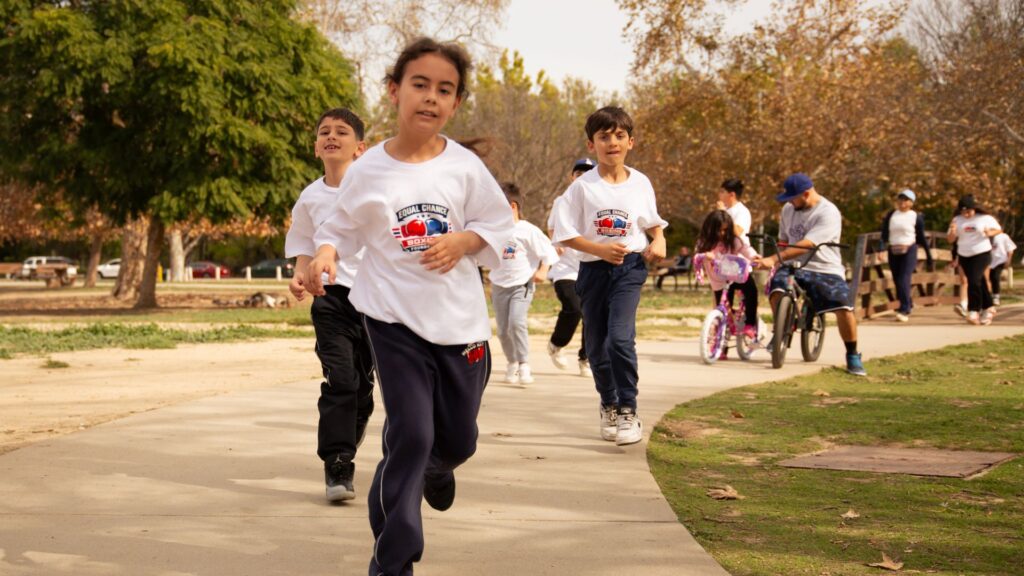
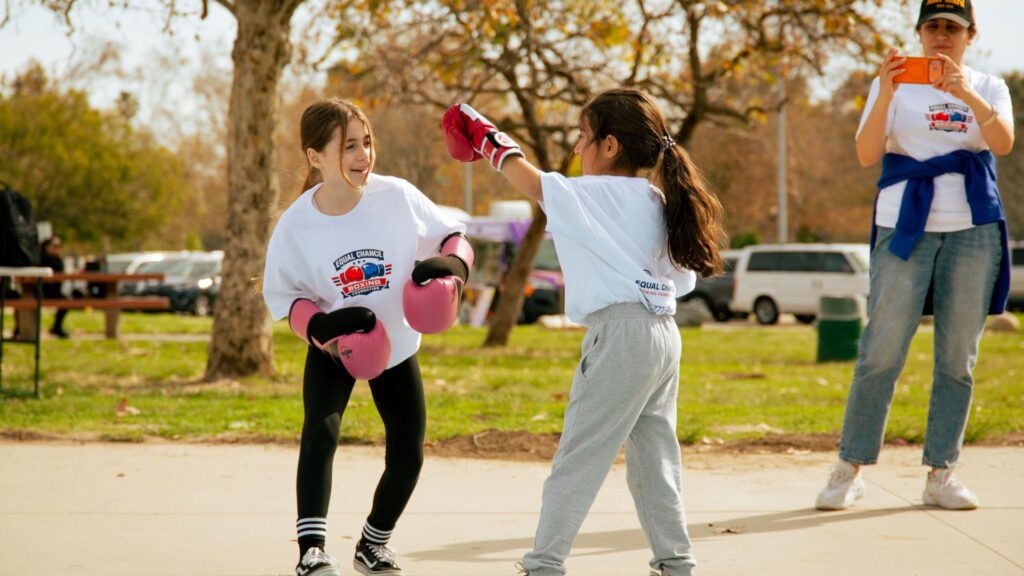
The Equal Chance Boxing Foundation exists to strip away those destructive labels. When an angry teenager walks into our park sessions or our gym, we hand them the same crisp, white Equal Chance t-shirt that we hand to the quiet kids, the straight-A students, and the shy introverts. The white t-shirt is the great equalizer. It means that your past mistakes, your school record, and your reputation do not matter here.
We do not treat their anger as a liability; we treat it as an asset. Our coaches, many of whom have navigated their own difficult paths, look at an aggressive, acting-out teenager and say, “You have a lot of fire in you. Let me show you how to use it to become a champion.” By validating their energy rather than punishing it, we immediately diffuse their defensiveness. We build a foundation of mutual respect that traditional authority figures often struggle to achieve. We give them a new identity: they are no longer a “problem child.” They are an athlete in training.
Be the Catalyst for Change: Supporting Our Mission
Providing this level of high-impact, transformative anger management for the youth in our community requires an environment built for intense use. The physical reality of our work is that when you provide a safe space for teenagers to literally punch out their heaviest, darkest emotions, the equipment takes a massive beating.
Our heavy bags tear. Our focus mitts wear down. The padding in our gloves compresses over time. Maintaining a safe, professional-grade facility where these young people can consistently rely on having an outlet is an ongoing, significant expense. The Equal Chance Boxing Foundation provides all of this—the gear, the coaching, the mentorship, and the sanctuary—entirely free of charge to the kids who need it most. We believe that access to effective emotional regulation and athletic development should never be dependent on a family’s ability to pay gym fees.
However, we cannot absorb the impact of this community need alone. We rely heavily on the vision and the generosity of people who understand that investing in youth is the only way to build a safer, stronger society.
[ecbf_donate_banner_4]
Why Your Donation is a Direct Intervention
When you choose to support the Equal Chance Boxing Foundation, you are not just buying sporting goods. You are funding a direct, daily intervention in the lives of teenagers who are standing at a crossroads.
Your donation replaces the heavy bag that has absorbed the frustration of a hundred different kids over the past year. Your contribution pays for the fresh hand wraps that make a teenager feel like a professional athlete rather than a forgotten statistic. Your support ensures that our coaches—the mentors who know exactly how to turn a teenager’s worst day into their most productive training session—can continue their life-saving work in the park and in the gym.
We invite you to look past the stigma of youth anger and see the incredible potential waiting just beneath the surface. Help us give these young people the tools, the space, and the equal chance they need to convert their rage into resilience, their frustration into focus, and their anger into the fuel that will drive them toward a successful, disciplined life.
Questions?
We’ve got answers.
It is much more than a temporary fix. While bag work provides an immediate physical release for tension, the real benefit lies in the “cool-down” process. Boxing teaches the brain to transition from a high-arousal state to a focused, calm state. Over time, this builds a neurological “off-switch” for anger, helping individuals regulate their emotions more effectively in everyday life.
Boxing requires “calculated intensity.” We teach that rage is “dirty fuel”—it burns out quickly and leads to sloppy mistakes. To succeed in the gym, you must maintain composure even when exhausted or under pressure. This practice of “thinking under fire” helps rewire the brain’s response to stress, replacing impulsive lash-outs with deliberate, controlled actions.
Yes. Boxing is a game of split-second decisions and discipline. By learning to wait for the right moment to strike and following strict gym rules, students practice impulse control in a high-energy environment. This mastery over one’s own movements translates into a better ability to pause and think before reacting to frustrations at school, work, or home.
The coach acts as both a mentor and a regulator. In our program, there is zero tolerance for ego-driven aggression or “bullying” the equipment. Coaches provide a structured environment where raw emotion must be refined into technical skill. This mentorship ensures that energy is channeled into athletic growth and self-respect, rather than destructive behavior.