
If you are raising a child or teenager today, you are likely exhausted by the constant battle over behavior, screen time, and household rules. You set a boundary, your child crosses it, and you respond with the tools you have: taking away their phone, grounding them, or raising your voice. Yet, deep down, you know this cycle isn’t actually changing their character. It often just creates resentment, secrecy, and a growing distance between you and your teenager.
You are desperate to teach them accountability, but the traditional methods are failing. This leaves many parents asking a critical question: How do I teach my child to do the right thing when I’m not looking?
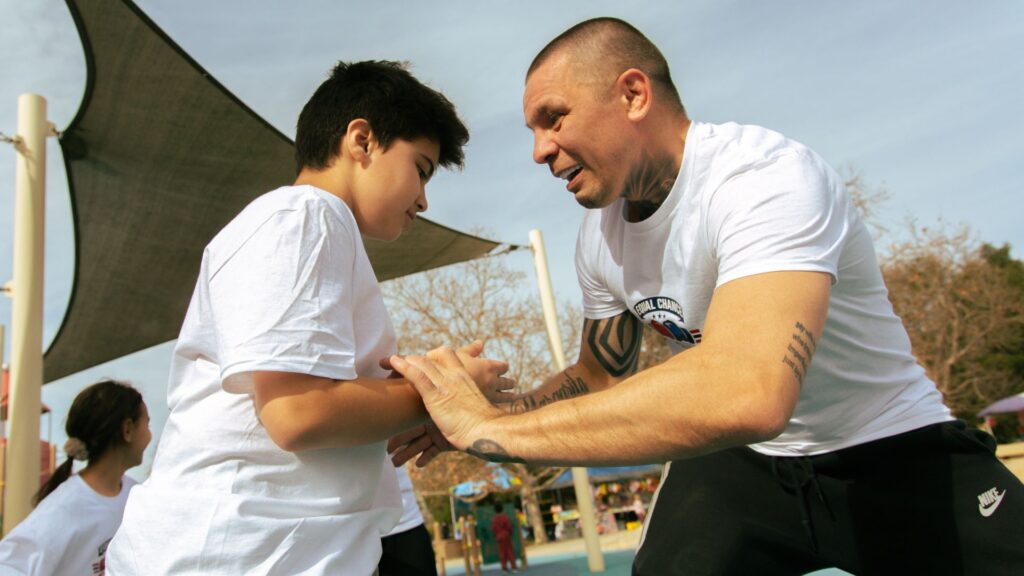
The answer lies in understanding the profound difference between physical discipline vs. punishment. At the Equal Chance Boxing Foundation, we exist to help parents navigate this exact struggle. Every day, we watch troubled youth and anxious teenagers walk into our gym and undergo a massive behavioral transformation. We don’t achieve this by punishing them; we achieve it through the highly structured, consequence-driven world of boxing.
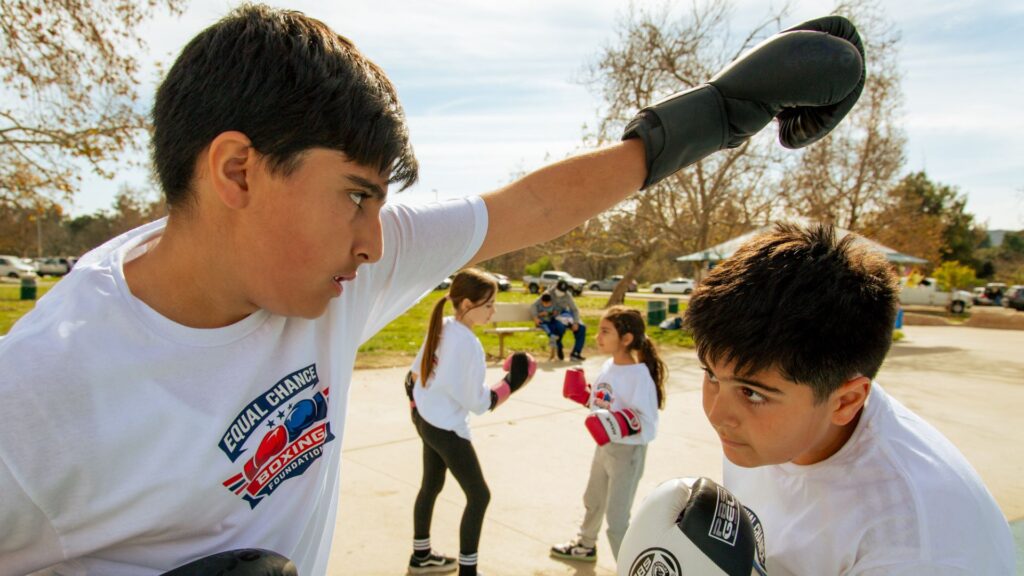
In this comprehensive pillar guide, we will break down why punitive parenting often backfires, how athletic discipline rewires a teenager’s brain, and why our nonprofit youth sports organization provides this life-changing environment absolutely free of charge.
The Core Difference: Physical Discipline vs. Punishment
To effectively guide a child, we must untangle two concepts that are often mistakenly treated as synonyms. Understanding this distinction is the first step in ending the cycle of household arguments.
What is Punishment?
Punishment is an external force applied to a child after an offense has occurred. Its primary mechanism is fear or deprivation.
- It is Reactive: You ground a teenager because they missed curfew.
- It is Disconnected: Taking away a video game has no logical connection to talking back to a teacher.
- The Result: The child focuses on their anger toward the parent who delivered the punishment, rather than reflecting on their own poor choice. They don’t learn self-control; they just learn how to avoid getting caught next time.
What is Physical Discipline?
Discipline, particularly in the context of structured athletics, is an internal mechanism built proactively. The word “discipline” comes from the Latin word disciplina, meaning instruction or training.
- It is Proactive: It is the daily repetition of good habits—showing up on time, wrapping hands correctly, respecting the coach.
- It is Connected: The consequences are natural and immediate. If you drop your guard, you get tapped with a jab. The consequence is directly tied to the action.
- The Result: The child learns that their choices dictate their outcomes. They develop an internal compass. This is the foundation of boxing and mental discipline.

Why Traditional Punishments Fail with Modern Teens
Today’s adolescents are navigating a world of immense social pressure, digital anxiety, and intense academic demands. When parents use fear-based punishment to manage behavior, it often adds to the chaos rather than solving it.
The Breakdown of Trust
When a parent relies solely on grounding or confiscating items, the home turns into a battleground. For parents seeking sports for kids with behavior problems, it is crucial to find a “Third Space”—an environment outside the home where rules are enforced by mentors rather than parents. A parent’s love is unconditional, which makes enforcing strict consequences emotionally draining. A coach’s respect, however, must be earned. This is why teenagers will often readily accept critique from a coach that they would aggressively reject from a parent.
The Need for Positive Outlets
When a teenager acts out, they are often overwhelmed by unprocessed emotions. Punishing an angry outburst doesn’t remove the anger; it just forces it underground. This is why we so strongly advocate for positive outlets for teen aggression. We need to give them a safe place to put those big feelings, rather than just telling them to “stop it.”
The Boxing Ring: A Masterclass in Natural Consequences
If you are looking for sports for kids who lack discipline, the boxing gym is arguably the most effective classroom on earth. Unlike team sports where a child can hide behind the efforts of others, boxing demands total, absolute personal accountability.
Immediate, Unbiased Feedback
The heavy bag does not care if you had a bad day at school. The jump rope does not care if you are in a bad mood. The feedback in the gym is objective and instantaneous.
- Learning Through Action: When an athlete is exhausted in the third round because they skipped their roadwork (running) earlier in the week, they experience a natural consequence. The coach doesn’t need to yell. The sport itself teaches the lesson.
- Boxing for Emotional Control: A boxer quickly learns that fighting angry is a recipe for disaster. Anger makes you tense, slow, and predictable. We teach boxing for anger management in kids by demonstrating that true power comes from a calm, hyper-focused mind, not from blind rage.
The Architecture of Routine
Discipline is built in the mundane. It is the ritual of wrapping your hands exactly the same way every single day. It is the repetition of footwork drills until your calves burn. Through discipline through sports for youth, teenagers learn that greatness is not an accident; it is the result of thousands of small, disciplined choices.
Transforming Anxiety and Building Confidence
The incredible byproduct of replacing punishment with athletic discipline is a massive surge in self-esteem. We are frequently asked: How does boxing build confidence in children and teenagers? The answer lies in the mastery of difficult things.

Competence Breeds Confidence
Anxious youth often suffer from a paralyzing fear of failure. In our gym, failure is a requirement for growth. You will get tired. You will mess up a combination. When a child realizes that they can fail, be corrected by a coach, and try again without being humiliated or punished, their fear of failure evaporates. For parents looking for sports for kids with anxiety, this environment is a neurological reset. The intense focus required to train acts as a moving meditation, clearly demonstrating the profound positive impact of physical activity and child mental health.
Body Positivity Through Physical Agency
We shift the teenager’s focus away from how their body looks to what their body can do. When they learn they have the discipline to push through a grueling workout, they realize their body is a powerful instrument. This physical agency naturally translates to mental fortitude.
The Role of the Mentor: Guidance Over Dictatorship
Discipline cannot exist without a disciplinarian, but the type of authority figure matters immensely. In many low income youth sports programs, coaches are well-meaning but overwhelmed volunteers. In our foundation, mentorship is our primary metric for success.
Trusted Youth Boxing Coaches
Our coaches are the heartbeat of the foundation. They serve as positive role models for at-risk youth, filling the gap for children who may lack consistent guidance.
- High Standards, High Support: Our staff demands punctuality, respect, and maximum effort. But they balance this with deep, unwavering empathy.
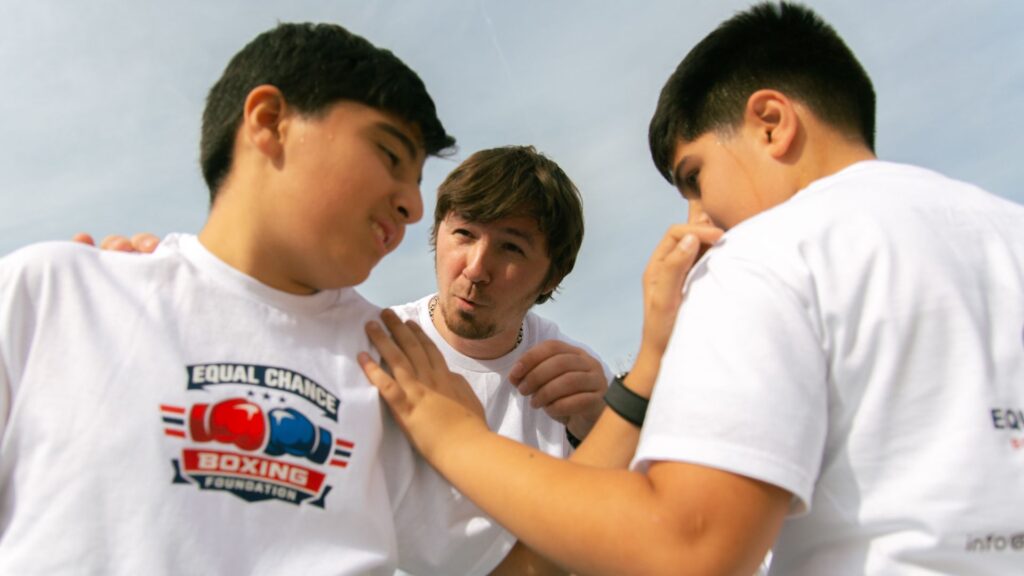
- Youth Sports Mentorship Programs: A coach might pull a teenager aside to correct their stance, but in the next breath, they will ask about their math grade or how things are going at home. This holistic approach proves that mentorship through sports programs is far more effective at changing behavior than any punitive measure.
Addressing the Fear: Safety and the “Brain-First” Philosophy
It is perfectly normal for a parent to hesitate before placing their child in a combat sport. Will it make them aggressive? Is it safe? At the Equal Chance Boxing Foundation, our commitment to safety is uncompromising.
Safe Boxing Training for Kids
We practice technique focused boxing for kids.
- Zero-Contact Foundations: Beginners spend months strictly on conditioning, footwork, and bag drills. There is no physical contact with other students during this critical development phase.
- Non-violent Boxing Training for Youth: We teach the science of the sport, heavily emphasizing that these skills are for self-defense and athletic competition within the ring—never for use in the streets or at school. Any athlete who uses their training to bully others is immediately suspended.
- Controlled Environment: When advanced athletes spar, they do so under the strict supervision of professionals, wearing state-of-the-art headgear and heavy 16oz gloves.
By strictly adhering to youth boxing safety guidelines, we ensure that the benefits and risks of youth boxing are managed perfectly, allowing the mental and physical benefits to flourish safely.
Breaking the Barrier: Discipline Should Never Have a Price Tag
We have established that structured physical discipline, elite mentorship, and a safe environment can completely alter the trajectory of a child’s life. But there is a massive problem in modern youth sports: The children who need this discipline the most are usually the ones whose families cannot afford it.
The “pay-to-play” model of club sports has built a financial wall between underprivileged youth and the character development they desperately need.
At the Equal Chance Boxing Foundation, we have torn that wall down. We do not believe that access to discipline and mentorship should be a luxury. We believe it is a fundamental right.
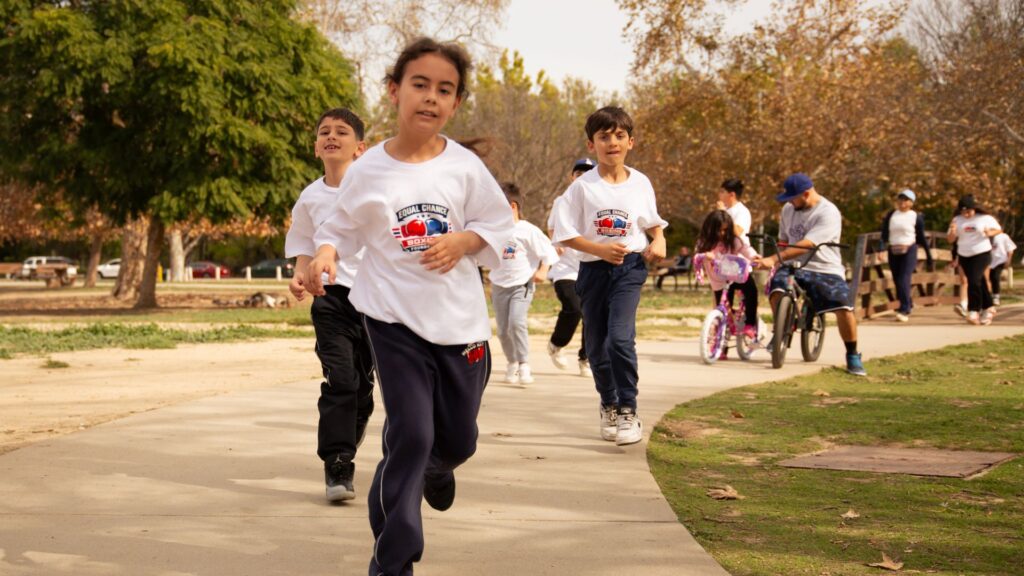
100% Free After-School Sports Programs
We do not charge tuition. We do not have hidden equipment fees. We provide the coaching, the facility, the hand wraps, and the gloves entirely for free.
- The Youth Boxing Program: We invite you to enroll your child in our primary facility, where they will learn from the best at absolutely no cost. Learn more at our Youth Boxing Program page.
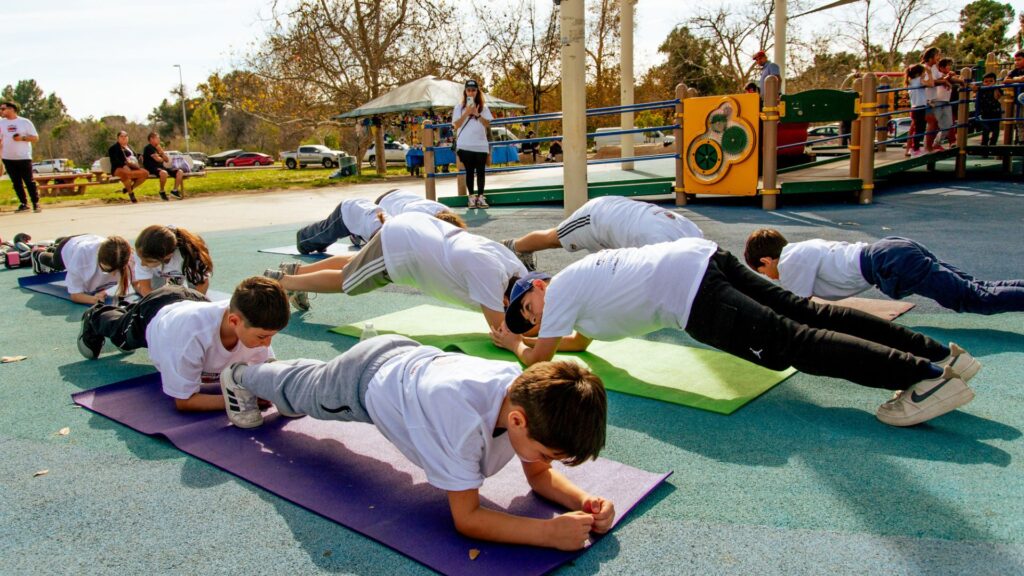
- Accessible to All: We also know that transportation is a barrier. That is why our Community Training initiative brings mobile gyms and free boxing classes for teens directly into local parks and underserved neighborhoods.
How You Can Be a “Corner-Man” for the Next Generation
We can only offer these free community sports programs because of a community that refuses to let the next generation fall behind. While the discipline is free for the children, running a state-of-the-art facility and providing top-tier safety equipment requires significant resources.
We rely on the radical generosity of donors who understand that investing in a child’s character today prevents a lifetime of hardship tomorrow.
When you DONATE TO THE EQUAL CHANCE BOXING FOUNDATION, you are actively funding:
- A Safe Haven: Keeping the lights on in a facility that keeps kids off the streets during the most vulnerable hours of the day.
- Mentorship: Allowing our trusted youth boxing coaches to dedicate their lives to guiding troubled youth.
- Professional Safety Gear: Ensuring that every child who walks through our doors receives the high-quality gloves and headgear required for safe boxing training.
- Community Expansion: Helping us bring the discipline of the ring to even more neighborhoods that desperately need positive role models.
The Final Bell — A Shift in Perspective
Raising a disciplined, resilient child does not require endless arguments, slammed doors, or punitive measures. It requires an environment that demands their best, allows them to fail safely, and surrounds them with mentors who believe in their potential.
Understanding the difference between physical discipline vs. punishment is the key to unlocking your child’s true character. Punishment teaches a child to fear the consequences of getting caught. Physical discipline teaches a child to respect themselves enough to do the right thing, even when no one is watching.
Whether your child is struggling with focus, dealing with deep-seated anxiety, or simply needs a community that will challenge them to grow, the Equal Chance Boxing Foundation is in your corner. We are an authoritative, deeply committed nonprofit youth sports organization, and we are here to help your family navigate the turbulent teenage years.
By replacing the frustration of household punishments with the structured, empowering discipline of the boxing ring, we give children a “fighting chance” at a brilliant future. And because we train every child for free, that future is accessible to everyone.
Step Into the Ring. Let’s Build Discipline Together.
Stop fighting the battle alone in your living room. Let the natural discipline of the sport do the heavy lifting.
For Parents: Give your child the gift of true self-discipline and unshakeable confidence. We provide the gear, the facility, and the coaching at absolutely no cost to you.
For Supporters: Help us ensure that no child is ever denied access to character development because of their family’s financial situation. Be their hero today.
EXPLORE COMMUNITY TRAINING | GET INVOLVED & VOLUNTEER
Questions?
We’ve got answers.
The main difference is the intent. Punishment is reactive and focused on the past—it’s about making a child “pay” for a mistake. Discipline is proactive and focused on the future—it’s about teaching a child how to succeed next time. In boxing, we don’t punish a missed block; we provide the discipline of extra practice to ensure the next block is successful.
No. Punishment often creates an adversarial relationship based on fear, which leads to resentment and “sneaky” behavior. Discipline is built on mutual respect and shared goals. A student follows the gym rules not because they are afraid of the coach, but because they understand that these rules are the ladder they must climb to reach their own athletic potential.
It’s all about the “Why.” If push-ups are used to humiliate, that’s punishment. If they are used as a reset—a way to refocus the mind and strengthen the body after a lapse in concentration—that’s discipline. We teach kids that physical effort is a tool for growth. In the gym, “doing the work” is never a penalty; it is the price of admission for becoming stronger.
Discipline, without question. Punishment only works as long as the “punisher” is watching. Discipline becomes internalized. Because it is taught with logic and respect, the child eventually learns to “coach themselves.” They start making better choices because they value their own progress, not because they are avoiding a lecture or a time-out.