
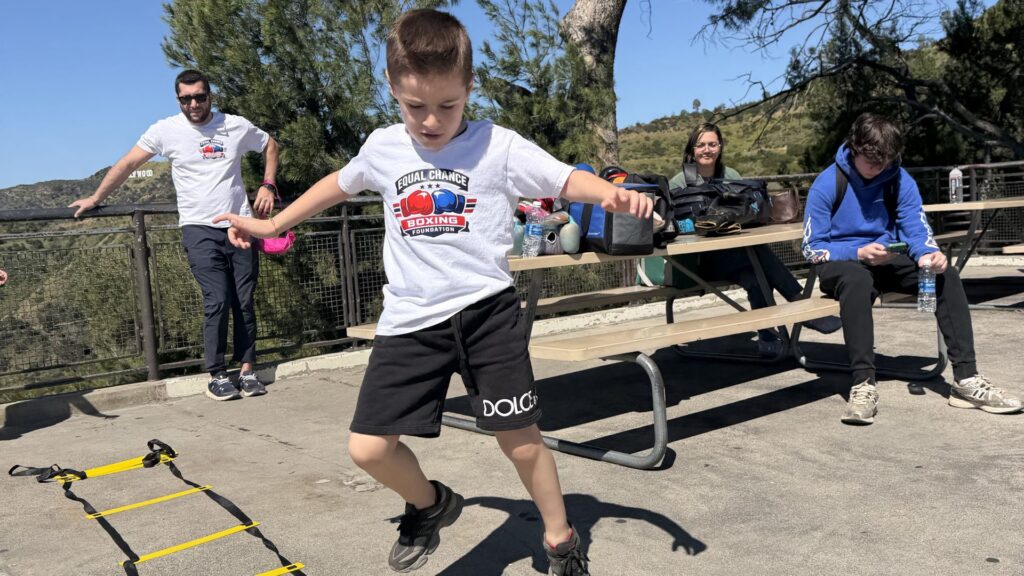
We all know the look. The heavy footsteps, the slammed bedroom door, the one-word answers at the dinner table. When a teenager has a bad day, it doesn’t just pass; it lingers, pulling them into a downward spiral of frustration, anxiety, and self-doubt.
Whether it is a failed exam, a brutal humiliation on social media, an argument with friends, or just the overwhelming, invisible pressure of growing up, modern teenagers carry an immense emotional load. Their instinct is often to retreat into isolation—scrolling endlessly on their phones to numb the feeling, or replaying the negative event over and over in their heads.
If you are a parent watching this happen, you feel powerless. And if you are a teenager reading this right now, trapped in your room after a day where everything went wrong, you feel exhausted.

Words rarely fix a truly bad day. You cannot simply talk yourself out of deep frustration. The body absorbs stress, and the body needs a way to release it. This is where the heavy bag comes in.
In this comprehensive guide, we will explore the profound psychological and physical benefits of combat sports. We will break down exactly how boxing helps kids learn emotional recovery, why stepping into the gym is the ultimate reset button, and how the Equal Chance Boxing Foundation uses the “Sweet Science” to forge resilient minds.
[ecbf_donate_banner_1]
The Anatomy of a Bad Day: Why Teens Get Stuck
To understand the cure, we must first understand the problem. A “bad day” for a teenager is fundamentally different from a bad day for an adult. Adults have years of context; they know that tomorrow is a new start. For a teenager, a social rejection or an academic failure can feel like the end of the world.
The Biological Stress Trap
When a teenager experiences a highly stressful or embarrassing event, their brain’s amygdala triggers a fight-or-flight response. The body is flooded with cortisol (the stress hormone) and adrenaline.
Thousands of years ago, this physical response was used to run from predators. Today, a teenager experiences this exact same chemical rush while sitting perfectly still at a school desk or staring at a smartphone screen.
Because there is no physical release for this energy, the stress becomes trapped. It manifests as:
- Irritability and Anger: Snapping at family members over minor issues.
- Physical Tension: Clenched jaws, tight shoulders, and headaches.
- Mental Paralysis: An inability to focus on homework or engage in normal hobbies.
The Danger of the Digital Echo Chamber
When teens retreat to their rooms after a bad day, they often turn to social media for distraction. Unfortunately, this creates an echo chamber. They see the curated, “perfect” lives of their peers, which only deepens their feelings of inadequacy. They ruminate on the negative event, allowing a single bad hour to ruin their entire week.
To break this cycle, you have to physically interrupt the pattern. You have to change the environment, change the physiology, and redirect the aggression.
The Physical Reset: Punching Through the Frustration
You cannot logic your way out of a cortisol spike. But you can punch your way out of it. Boxing provides a controlled, highly structured environment for emotional release.
The Chemical Cleansing
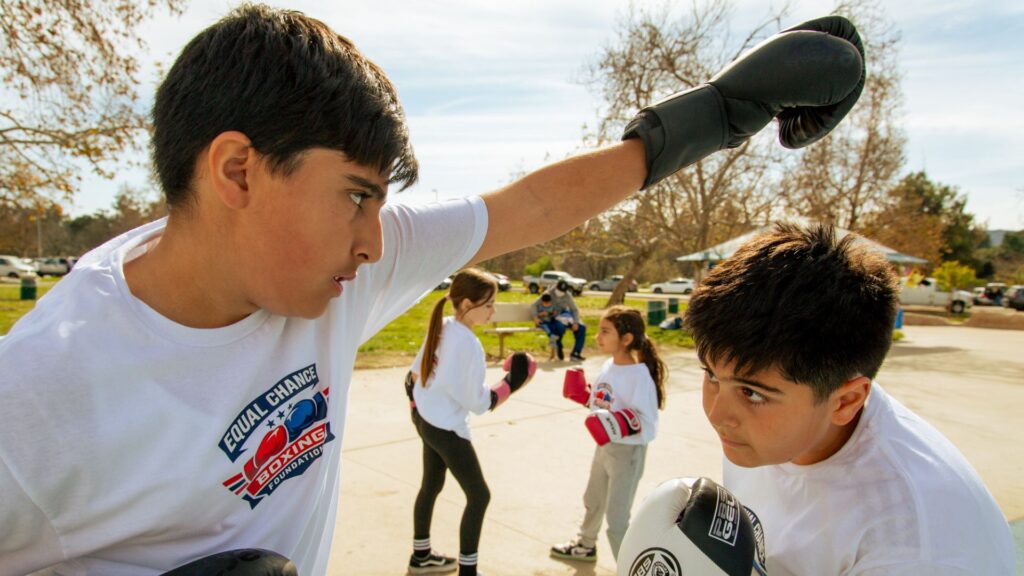
When a teenager wraps their hands, puts on gloves, and starts working on a heavy bag, their body finally gets the physical output it has been craving all day.
- Burning Cortisol: High-intensity interval training (like hitting pads or the bag for three-minute rounds) rapidly burns off accumulated stress hormones.
- Endorphin Rush: Physical exertion triggers the release of endorphins and dopamine. This is not the “cheap” dopamine from getting a like on Instagram; this is the deeply satisfying, natural mood elevator earned through hard work.
- The Power of Exhaustion: It is incredibly difficult to overthink a social drama when your lungs are burning, your shoulders ache, and you are trying to remember a slip-and-roll combination. Boxing demands absolute presence.

Turning Anger into Focus
Anger is a natural emotion, but society often tells teenagers simply to “calm down.” Boxing takes a different approach. It takes the raw, chaotic energy of a bad day and demands that it be focused.
You cannot just wildly swing at a heavy bag; you will injure your wrists or exhaust yourself in thirty seconds. Boxing forces a teenager to take their anger and channel it into technique, balance, and precision. They learn to transform destruction into discipline.
The Ring as a Classroom for Emotional Recovery
Emotional recovery is not about pretending the bad day didn’t happen; it is about learning how to take a hit, maintain your balance, and keep moving forward. Boxing is the ultimate physical metaphor for emotional resilience.
The “One Minute” Reset
In boxing, a round lasts three minutes, followed by one minute of rest. If an athlete has a terrible round—if they get outboxed, miss their shots, or take a heavy hit—they only have sixty seconds in the corner to recover.
They cannot spend that minute crying over the last round. They have to breathe, listen to their coach, reset their mind, and answer the bell for the next round.
This translates directly to real life. Teenagers learn that a bad class period, a bad conversation, or a bad test is just a “bad round.” It doesn’t mean the fight is over. You take a breath, you adjust your strategy, and you step back out there.
Mentorship from the Pro: The Philosophy
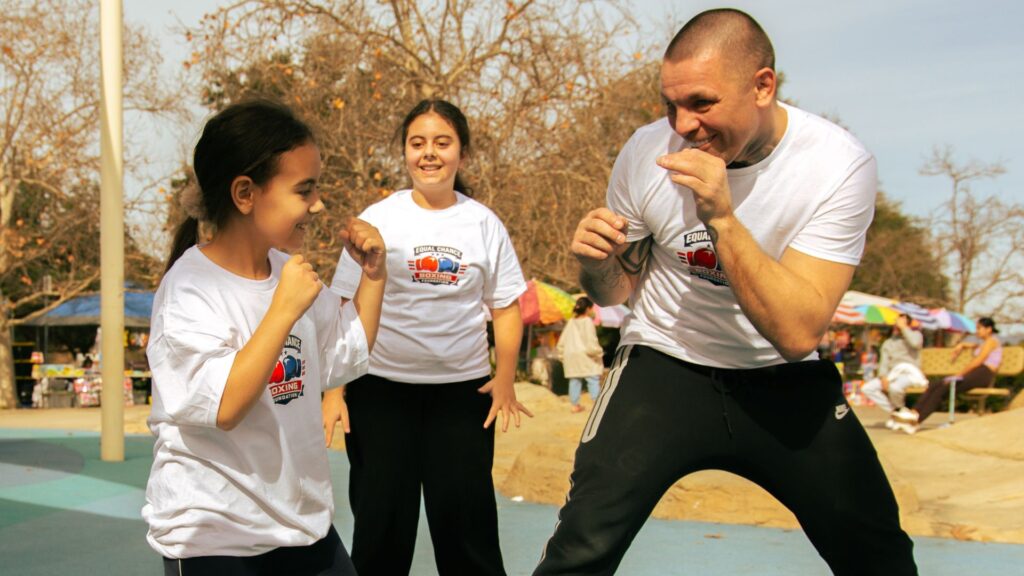
At the Equal Chance Boxing Foundation, our approach to mental resilience is deeply shaped by our founder and Head Coach, professional boxer .
In professional boxing, bad days are public, painful, and unforgiving. has faced grueling training camps, public criticism, and tough losses on the world stage. He understands better than anyone that emotional recovery is a required skill for survival.
When a teenager walks into the ECBF gym carrying the weight of a terrible day, does not coddle them. He offers a different kind of empathy—the empathy of shared struggle.
- Leaving the Baggage at the Door: teaches the youth that the gym is a sanctuary. Whatever happened at school stays outside. The moment you step onto the mat, you are in control of your own narrative.
- The Honest Mirror: uses the heavy bag as a mirror for the soul. If a kid is frustrated, he tells them to put that frustration into the leather. Under his mentorship, youth learn that they do not have to be victims of their circumstances. They have the power to strike back through hard work.
A Direct Message to the Youth: Stop Thinking, Start Moving
If you are a young person reading this right now, and you just had a day that made you feel small, embarrassed, angry, or defeated—listen closely.
Sitting in the dark playing video games or scrolling through TikTok will not make you feel better. It is a temporary pause button, not a reset button. Tomorrow, the stress will still be there.
People have probably told you to “just let it go” or “don’t let it get to you.” But you know it’s not that easy. Your mind is racing. You feel like you need to break something.
So, come break a sweat.
Boxing gives you a place to put that negative energy. When you are hitting the pads, you don’t have to explain yourself to anyone. You don’t have to smile. You don’t have to pretend you are having a good day. You are allowed to be angry, you are allowed to be tired, and you are allowed to be frustrated.
But as you work through the rounds, something amazing happens. The anger burns off. The noise in your head goes quiet. You walk out of the gym physically exhausted but mentally clear. You realize that the bad day didn’t break you.
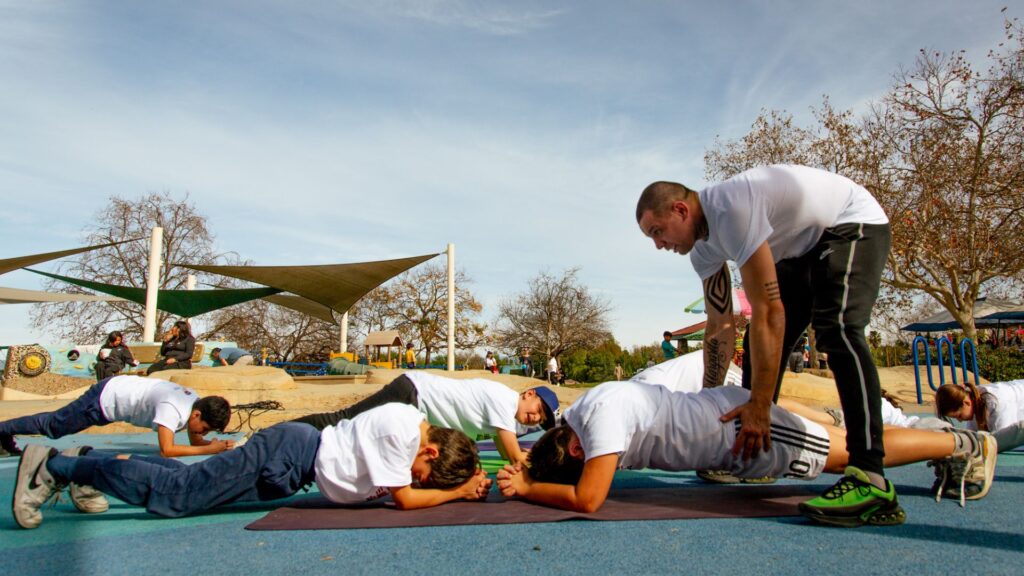
You don’t need experience, and you don’t need money. We have built an environment specifically for you to find your strength.
RECLAIM YOUR DAY: Step into the gym and join our free Youth Boxing Program.
If getting across town is the thing holding you back, we remove that excuse too. We bring the gloves, the coaches, and the discipline directly to your neighborhood.
TRAIN IN YOUR BACKYARD: Find a session near you through our Community Training initiative.
For the Parents: How to Support the Reset
If you are a parent, watching your child suffer through the emotional turbulence of adolescence is incredibly difficult. When they have a bad day, your instinct is to fix the problem for them or interrogate them about what went wrong.
The Power of Stepping Back
Sometimes, the worst thing you can do after your teen has a bad day is force them to talk about it before they are ready. Prying can make them retreat further into their shell.
Instead of demanding an explanation, offer an outlet.
- Facilitate, Don’t Intervene: Suggest the gym. Drive them there. Buy them their hand wraps. But once they are at the boxing club, step back. Let the coaches do their job. Let the heavy bag absorb the frustration.
- Observe the Transformation: Notice the difference in your child’s demeanor when you pick them up. The silence on the car ride home will no longer be the tense, angry silence of a bad day. It will be the calm, peaceful silence of a mind that has been reset.
[ecbf_donate_banner_4]
The Community’s Role in Emotional First Aid
Providing a free, elite-level sanctuary where youth can safely process their emotions requires massive resources. Mental health and emotional resilience in teenagers are not just family issues; they are community issues.
A teenager who learns to process their anger and frustration on a heavy bag instead of taking it out on their peers or themselves becomes a healthier, more productive member of society.
The Equal Chance Boxing Foundation is committed to keeping our doors open and our programs completely free for the youth who need them most. But we are a team, and we need your backing to keep the lights on and the gloves laced up.
Stand in Their Corner
If you believe that kids need a healthy, physical outlet to survive the pressures of growing up, your support makes a direct impact. Your contribution provides the safety gear, the facility, and the expert coaching that turns a terrible day into a character-building triumph.
FUND THE SANCTUARY: Support our youth by choosing to Donate today.

Corporate Partnerships
For businesses, there is no greater investment than the mental health and resilience of the next generation. By aligning your company with ECBF, you are actively funding the programs that teach young people emotional regulation, discipline, and leadership.
BUILD RESILIENT COMMUNITIES: Learn how to make an impact as one of our Corporate Sponsors.
The Final Bell of a Bad Day
A bad day is inevitable. Heartbreak, academic failure, social friction, and overwhelming stress are mandatory parts of growing up. The goal is not to protect teenagers from having bad days; the goal is to equip them with the tools to recover from them.
Boxing is more than a sport. It is an emotional first-aid kit. It teaches a young mind that they possess a physical engine capable of burning through anxiety and frustration.
Whether you are a young adult looking for a way out of your own head, or a parent looking for a lifeline for your child, the solution is waiting. It is time to stop letting bad days dictate your life. Wrap your hands, step up to the bag, and punch your way to a clean slate.
Questions?
We’ve got answers.
When a teen has a tough day, negative emotions like anger and frustration can build up. Hitting the heavy bag provides a safe, physical outlet for these feelings. At the Equal Chance Boxing Foundation, we teach youth how to channel that negative energy into their technique. Instead of bringing the stress home or acting out, they leave it all in the gym and walk out feeling emotionally reset and lighter.
In boxing, a round only lasts a few minutes, and then the bell rings. No matter how bad a round went, you get a minute to rest, reset, and start fresh in the next one. Mentors like use this structure to teach kids that a bad day is just a “bad round.” It doesn’t define the whole match. They learn to wipe the slate clean, bounce back, and try again tomorrow.
Yes. Rumination—playing a bad event over and over in your head—is common for youth. Boxing requires intense, present-moment focus. You cannot worry about a failed test or a social conflict when you are trying to slip a jab or master a complex footwork drill. This forced mindfulness interrupts the cycle of negative thinking, giving their brain a much-needed break and allowing them to gain clearer perspective.
Having a bad day often makes kids feel isolated. In the gym, they have a coach who acts as their corner. When they are exhausted or frustrated during training, a mentor is there to remind them to breathe, adjust their strategy, and keep going. This constant support teaches youth that it is okay to struggle and that asking for guidance is a strength, equipping them to handle daily setbacks with confidence.